Luggage Locks
Travel with confidence using Samsonite luggage locks, designed to keep your belongings secure. All our locks are TSA-approved, ensuring smooth inspections during your journey. From numeric combination locks to versatile cable locks, find the perfect solution for your travel needs.
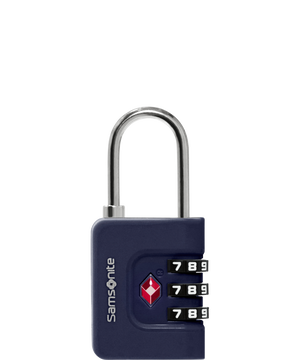


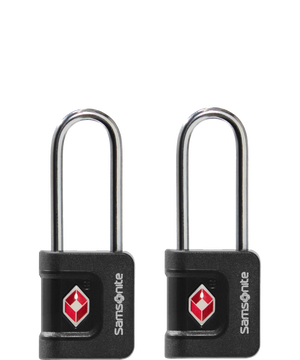


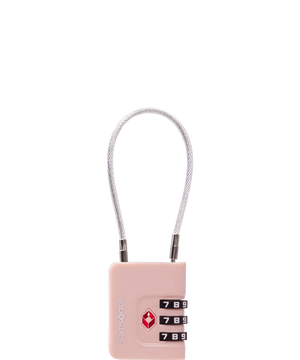


Secure Your Journey with the Right Luggage Lock
Adding a luggage lock to your suitcase is an easy way to keep your belongings safe while you travel. Samsonite offers locks that are not only reliable but also TSA-approved, making them ideal for smooth airport security checks. Choose the style that fits your needs, whether you prefer combination, key or cable locks for extra flexibility. Explore our full range of travel accessories to find everything you need for secure and stress-free travel.
Types of Luggage Locks
Our range of locks includes several types to suit different preferences and travel styles:
- Combination Locks: These let you set your own numeric code, so there’s no need to worry about carrying or losing keys.
- Key Locks: A classic and straightforward option for travellers who prefer using a key.
- Cable Locks: Flexible and versatile, these can secure multiple zips or attach your luggage to a stationary object for added security.
Why TSA Compliance Matters
All Samsonite luggage locks are TSA-approved, which means they meet security requirements and can be opened by airport agents with a universal master key. This prevents damage to your equipment during inspections, ensuring your belongings remain secure throughout your trip. Whether you're travelling to the United States or another destination with similar regulations, TSA-compliant gear provides peace of mind.
What to Consider When Choosing a Lock
During the purchase process, it’s worth thinking about a few details and specifications:
- Durability: Look for locks made with strong materials that are resistant to tampering.
- Ease of Use: Combination locks can be convenient, while key locks offer simplicity for those who prefer not to remember codes.
- Flexibility: Cable locks are a great option if you need to secure multiple compartments or attach luggage to fixed objects.
Have You Thought About Your Other Accessories?
Locking up your luggage is just one way to keep your belongings safe while travelling. You might also find these travel accessories helpful:
- Protect your suitcase with a suitcase cover.
- Stay organised with packing cubes.
- Explore stylish options with travel accessories for men.
- Discover elegant solutions with travel accessories for women.
Explore Samsonite’s full range of travel accessories to make your journey more enjoyable.
FAQ
Are Samsonite Luggage Locks TSA-Approved?
Yes, all Samsonite luggage locks are TSA-approved. This means they are designed to meet the standards set by the Transportation Security Administration (TSA) in the United States. TSA-approved locks can be opened by airport security agents using a universal master key, allowing them to inspect your luggage without breaking the lock or damaging your suitcase. This is especially important when travelling to the U.S. or other regions with strict security protocols.
At Samsonite, we ensure all our locks comply with TSA regulations, offering both security for your belongings and peace of mind during your travels. Whether you choose a combination lock, key lock or cable lock, you can rest assured that your luggage is protected while still adhering to international security requirements.
Do Samsonite suitcases come with built-in locks, or should I purchase a separate one?
Many Samsonite suitcases come with built-in TSA-approved combination locks, offering an integrated solution for securing your belongings. These built-in locks eliminate the need for a separate purchase and are designed for convenience and reliability. However, if your suitcase does not include this feature, or if you prefer additional layers of security, a separate lock can still be a great option. Check the product details for your specific suitcase model to see what's included.
How do you set a secret code for a combination lock?
Setting a custom code for a Samsonite combination lock is simple and can be done in a few steps:
- Start with the default factory code, usually set to 0-0-0.
- Press and hold the reset button (usually located on the side or bottom of the lock).
- While holding the button, rotate the dials to your desired numeric combination.
- Release the reset button. Your new code is now set.
If your lock does not have a reset button, consult the user manual for specific instructions, as the process may vary by model.
How much does a suitcase lock weigh?
The weight typically ranges from 50 to 150 grams, depending on the type and material. Combination locks tend to be lightweight and compact, making them ideal for frequent travellers. Cable models, while slightly heavier, offer added versatility for securing multiple compartments. Always consider the weight when packing, especially if you're close to airline luggage weight limits.
How much does a suitcase lock weigh? What should I do if I forget the code?
If you forget the code for your combination lock, there are a few options to regain access:
- Refer to the lock’s user manual for reset instructions or troubleshooting tips.
- Try recalling any commonly used combinations you might have set, such as birthdays or anniversaries.
- If the lock cannot be reset manually, you may need to contact customer support or visit a local retailer for assistance. Be prepared to provide proof of purchase to verify ownership.
To avoid this situation in the future, consider noting down your code in a secure place or using a memorable number.
What should I do if I lose my key?
Losing the key to your lock can be frustrating, but there are steps you can take:
- Check if you have a spare key, as many Samsonite locks come with duplicates.
- If no spare is available, contact Samsonite customer support to inquire about replacement keys. You’ll need the lock’s model number for assistance.
- As a last resort, you may need to cut the lock to access your belongings.
To prevent losing your key, consider attaching it to a keyring or keeping it in a designated travel pouch.